
Bleeding Gums in Vashi: What They're Telling You — and When It's More Than Just Brushing Too Hard
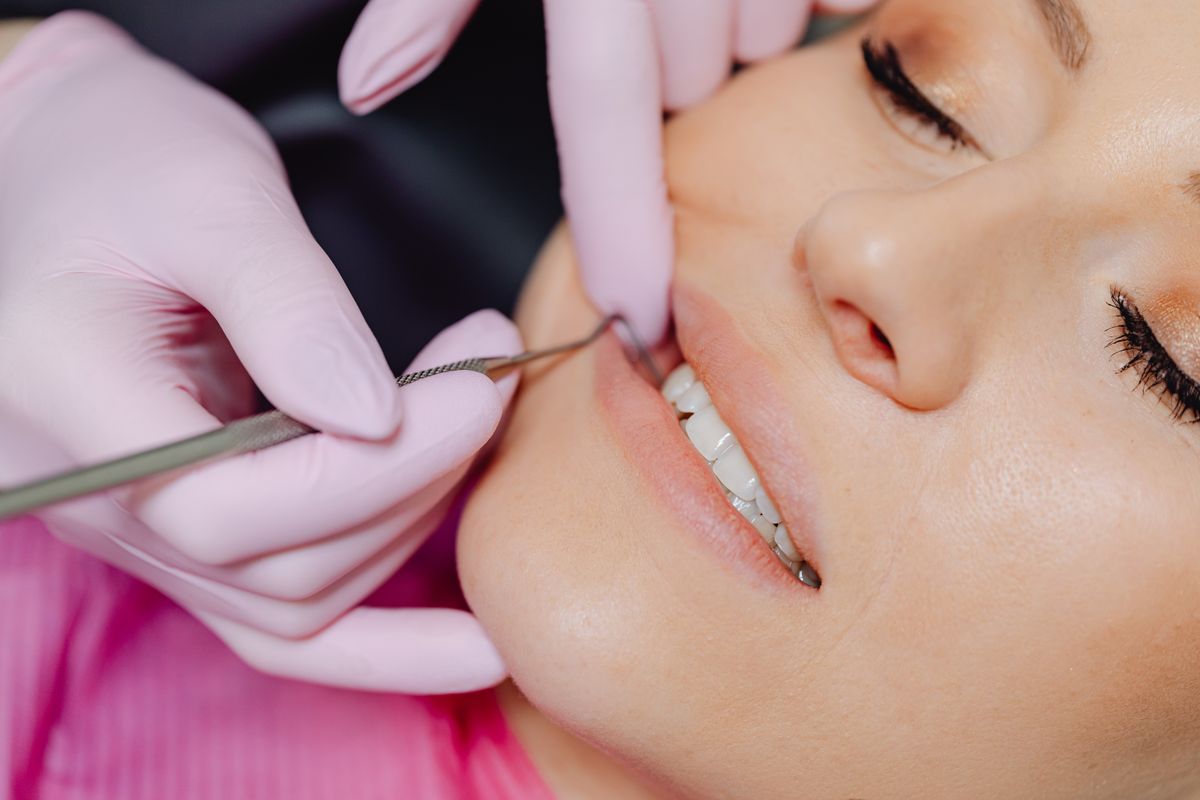
Pink in the sink after brushing is easy to wave off — a hard bristle, a rushed morning, nothing more. Most of the time that's exactly what it is. But bleeding gums are also the earliest, clearest warning sign your body gives for gum disease, and it's a sign a lot of people in Vashi ignore for months. Here's what bleeding gums actually mean, from Dr. Kushal Sharma at Himalaya Dental House in Sector 17 Vashi, and how to tell when it's time to get it checked.
Why Gums Bleed in the First Place
Gums bleed when they're inflamed, and they get inflamed for one dominant reason: plaque sitting along the gumline for too long. Plaque is a soft film of bacteria that forms on teeth constantly — brushing and flossing disturb it before it does damage. Left in place, especially right where the tooth meets the gum, it irritates the gum tissue, which responds the way inflamed tissue always does: it turns red, swells slightly, and bleeds easily when touched by a toothbrush or floss.
This early, reversible stage has a name — gingivitis. It's uncomfortable to think about but genuinely common, and on its own it isn't a crisis. What matters is what happens next: whether it's caught and treated, or left to progress.
Gingivitis vs Periodontitis — Where the Line Is
Gum disease isn't one condition — it's a spectrum, and where you sit on it changes what treatment looks like. A 2020 systematic review and meta-analysis of Indian studies, covering over 92,000 adults, found that roughly 51% of Indian adults have some form of periodontal disease, and 46.6% have gingivitis. Put plainly: gum disease in some form is closer to the norm than the exception, which is exactly why it's worth understanding rather than dismissing the first time you see blood on your brush.
- Gingivitis — gums are red, swollen and bleed easily, but the bone and ligaments holding the tooth in place are still untouched. This stage is fully reversible with a professional cleaning and better home care.
- Early periodontitis — inflammation has started to affect the bone and fibres anchoring the tooth. Small pockets form between tooth and gum where plaque hides below the gumline. This needs active treatment, not just a routine clean.
- Advanced periodontitis — significant bone loss, deeper pockets, gums that may recede, and teeth that can loosen. This is the stage that, left untreated, leads to tooth loss.
The tooth-loss part isn't scare language — it's the mechanism. Bone loss doesn't reverse itself the way inflamed gum tissue does, which is the whole argument for treating gum disease at the gingivitis stage rather than waiting to see if it settles on its own.
Signs Worth Getting Checked at Our Vashi Clinic
Not every one of these needs to be present at once — any single one is reason enough for an exam, and a combination of several is a clearer signal that it's progressed past simple gingivitis.
- Gums that bleed when you brush or floss, even lightly
- Gums that look red or puffy instead of a firm pale pink
- Persistent bad breath that mouthwash only masks temporarily
- Gums that appear to be pulling away from the teeth, making teeth look longer
- Any looseness or shifting in a tooth that wasn't there before
- Tenderness or a dull ache along the gumline
How Gum Disease Is Actually Treated
Treatment depends entirely on which stage the gums are at — this isn't a one-size scaling appointment for everyone who walks in with bleeding gums. Dr. Kushal Sharma checks gum-pocket depths around each tooth with a small measuring probe before deciding what's needed; that measurement is what actually tells the story, not just how the gums look.
- Gingivitis — a standard scaling and polishing to clear plaque and tartar above and just below the gumline, paired with better brushing and interdental cleaning at home. This alone reverses gingivitis in most people within a few weeks.
- Early periodontitis — scaling and root planing, a deeper clean that reaches into the pockets below the gumline to clear bacteria off the root surface. Sometimes done with local anaesthetic for comfort, occasionally split across two visits.
- Advanced periodontitis — may require referral for surgical treatment to reduce pocket depth or address bone loss, alongside a stricter maintenance schedule than the usual six-month interval.
Pricing follows the same logic as the treatment: a routine scaling and polishing at our Sector 17 Vashi clinic averages around ₹1,500–₹2,000, while scaling and root planing for deeper pockets averages closer to ₹3,000–₹4,000 depending on how many quadrants need treating. Neither figure means much without an exam — Dr. Kushal Sharma quotes the actual cost only after checking pocket depths, not before.
What You Can Do Before Your Appointment
Home care won't undo periodontitis, but it does most of the work at the gingivitis stage and supports every stage beyond it. Brush twice daily with a soft-bristled brush, angled slightly toward the gumline rather than straight at the tooth surface. Clean between teeth once a day — floss, interdental brushes or a water flosser all work, and the honest truth is the best one is whichever you'll actually use every day.
One counterintuitive point worth knowing: bleeding gums are not a reason to brush more gently or skip the area. Backing off the inflamed spot lets plaque build up further and makes the bleeding worse over time. Brushing that area properly, even if it bleeds for the first several days, is what clears it up.
When to Stop Waiting and Book a Check-Up
Occasional bleeding after a rougher-than-usual flossing session isn't cause for alarm. But bleeding that shows up most days, gums that stay puffy or tender, or any sign of a tooth feeling loose are past the point of waiting it out. Gum disease is quiet — it rarely hurts until it's advanced, which is exactly why it gets ignored longer than it should. A gum-pocket check takes a few minutes and tells you precisely where you stand, rather than guessing from the mirror.
If a cavity turns out to be part of the picture too, our guide to root canal treatment in Vashi covers what happens when decay and gum infection both need addressing.
Frequently Asked Questions
Q: Are bleeding gums always a sign of gum disease?
A: Not always — brushing too hard with a new, firmer brush, or flossing after a long gap, can cause a one-off bleed. But gums that bleed regularly, even with gentle brushing, are the classic early sign of gingivitis. If it happens most days, it's worth an exam rather than assuming it's technique.
Q: Can gum disease be reversed?
A: Gingivitis — the earliest stage, where only the gum tissue is inflamed — is fully reversible with a professional cleaning and consistent home care. Once it progresses to periodontitis and bone around the tooth is affected, that bone loss doesn't grow back, though further damage can be stopped with treatment. This is why catching it early matters.
Q: Does deep cleaning for gum disease hurt?
A: Scaling and root planing goes deeper than a routine clean, so some patients feel more sensitivity, and it's sometimes done with local anaesthetic for comfort. Most describe pressure and vibration rather than sharp pain. Mild tenderness for a day or two afterwards is normal.
Q: How much does gum disease treatment cost in Vashi?
A: A routine scaling and polishing for gingivitis averages around ₹1,500–₹2,000. Scaling and root planing for deeper pockets averages closer to ₹3,000–₹4,000, depending on how many areas need treatment. Dr. Kushal Sharma confirms the exact cost after checking gum-pocket depths at the exam.
Q: Should I stop brushing an area if it bleeds?
A: No — that's the opposite of what helps. Avoiding an inflamed spot lets plaque build up further and tends to make the bleeding worse. Brushing it properly, even if it bleeds for the first few days, is usually what clears gingivitis up.
Q: Can loose teeth from gum disease be saved?
A: Often yes, if caught before too much bone support is lost. Treating the underlying gum disease and maintaining a stricter cleaning schedule can stabilise a tooth that's just starting to loosen. The earlier it's assessed, the more options there are — waiting narrows them.
Noticed Blood When You Brush?
Book a gum check-up with Dr. Kushal Sharma at Himalaya Dental House, Shop No. 42, JK Chambers Building, Plot No. 76, Sector 17, Vashi, Navi Mumbai 400703. You'll get a gum-pocket assessment and a clear, honest plan before any treatment starts. Call us anytime — we'll book your appointment for whenever suits you best.