
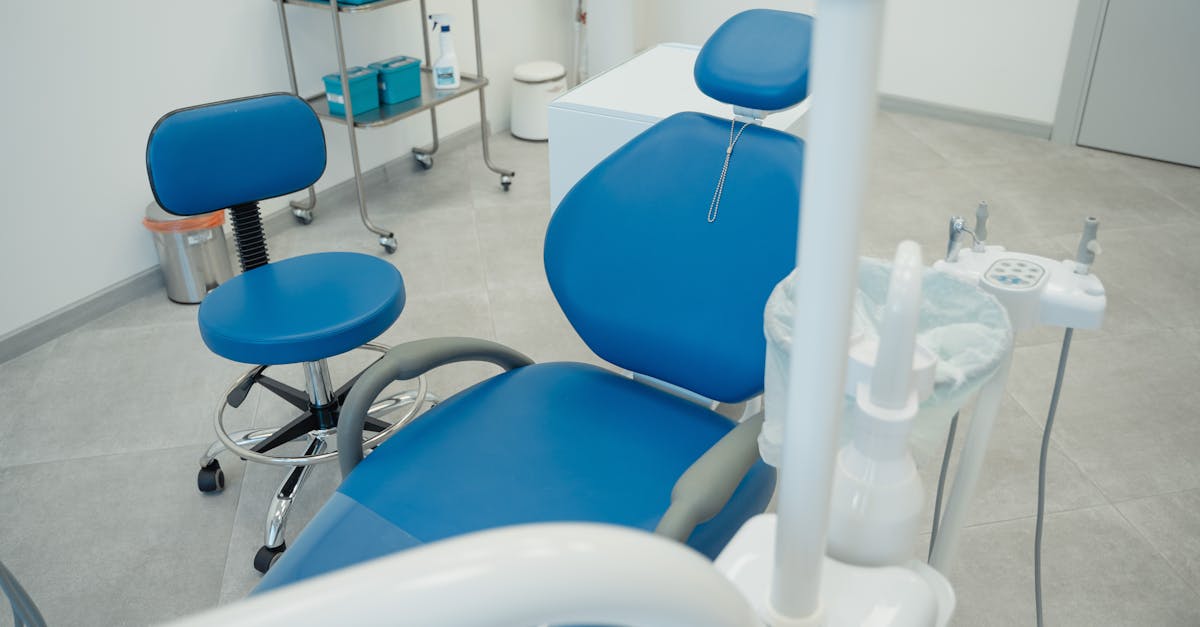
A root canal saves a tooth that would otherwise have to come out. When decay or a crack reaches the soft pulp inside your tooth, that tissue gets infected — and the throbbing that follows is the body's alarm. Root canal treatment removes the infected pulp, cleans the inside of the tooth, and seals it, so you keep the tooth and lose the pain. At Himalaya Dental House in Sector 17 Vashi, Dr. Kushal Sharma performs root canals using modern rotary techniques designed for comfort.
The reputation root canals carry is mostly outdated. The procedure exists to end tooth pain, not cause it — and with today's instruments and anaesthesia, most patients in Vashi are surprised by how routine it feels. This page explains when you need one, what actually happens in the chair, and what to expect afterwards.
Signs You Might Need a Root Canal
Not every toothache means a root canal, but some signals point clearly toward the pulp being involved. If you recognise several of these, it's worth getting checked at our Vashi clinic sooner rather than later — infection doesn't resolve on its own.
- Sharp, lingering pain when you bite or chew
- Sensitivity to hot or cold that lasts long after the source is gone
- A pimple-like bump on the gum near the tooth
- Swelling or tenderness in the surrounding gum
- A tooth that has darkened compared to its neighbours
- Pain that wakes you at night or throbs without an obvious trigger
How Modern Root Canal Treatment Works
The goal is simple: clear out the infection and seal the tooth so bacteria can't return. Dr. Kushal Sharma uses rotary endodontic instruments, which clean and shape the canals more precisely and quickly than older hand files. That precision is a big part of why treatment now often finishes in fewer visits.
The tooth is numbed completely before anything begins. A small opening is made, the infected pulp is removed, the canals are disinfected and shaped, and the space is filled and sealed. Because a treated tooth becomes more brittle, a crown is usually recommended afterwards to protect it during years of chewing.
Does a Root Canal Hurt? An Honest Answer
Here's the truth most people don't expect: the pain that brings you in is far worse than the treatment that fixes it. The procedure itself is done under local anaesthetic, so the tooth and surrounding area are fully numb — patients at our Sector 17 Vashi clinic often say it felt no different to having a filling.
Some tenderness for a day or two afterwards is normal, especially around the gum, and usually settles with over-the-counter pain relief. What a root canal does is remove the source of the deep ache, so the dominant feeling most people describe afterwards is relief.
Root Canal in One Visit or Two?
Whether your treatment finishes in a single appointment or needs a second depends on the tooth and the level of infection. A straightforward front tooth with a single canal may be done in one sitting. A back molar with multiple curved canals, or a tooth with significant infection that needs to settle, is often split across two visits for a cleaner result.
Rushing a heavily infected tooth into one appointment isn't always wise. Dr. Kushal Sharma will tell you at the start how many visits your case realistically needs, rather than promising a number that doesn't fit the tooth in front of him.
When a Root Canal Isn't the Answer
A root canal saves a tooth that still has enough healthy structure to restore. If a tooth is cracked below the gum line, badly broken down, or the surrounding bone is too compromised, extraction may be the more honest recommendation — sometimes followed by an implant. Saving a tooth that can't be reliably restored only delays the inevitable and costs more in the long run.
Equally, mild sensitivity that fades quickly usually doesn't need root canal treatment at all. The only way to know which camp your tooth falls into is an examination and an X-ray, which is exactly what the first visit at Himalaya Dental House is for.
What Happens If You Put It Off
The biggest mistake people make with an infected tooth is waiting for the pain to pass. It sometimes does — but that's rarely good news. When the nerve inside a tooth dies, the throbbing can fade for a while, which feels like recovery but actually means the infection has settled in deeper. Left alone, it can spread into the bone around the root and form an abscess.
Delaying also narrows your options. A tooth that could have been saved with a straightforward root canal can deteriorate to the point where extraction is the only realistic choice — which then opens the longer, costlier path of replacing it with an implant or bridge. Acting early at our Sector 17 Vashi clinic almost always means less treatment, not more. If you've had a flare-up that quietly went away, it's still worth having Dr. Kushal Sharma check the tooth rather than assuming it healed on its own.
Frequently Asked Questions
Related Treatments in Vashi
Related Reading
Tooth Pain That Won't Settle?
Don't wait it out — infection only spreads. Book an examination with Dr. Kushal Sharma at Himalaya Dental House in Sector 17 Vashi. You'll get a clear diagnosis, an X-ray, and an honest plan to save the tooth where possible. Shop No. 42, JK Chambers Building, Plot No. 76, Sector 17, Vashi, Navi Mumbai, Maharashtra 400703. Call us anytime — we'll book your appointment for whenever suits you best.