
Wisdom Tooth Removal in Vashi: When You Actually Need It, What It Costs, and What Recovery Looks Like
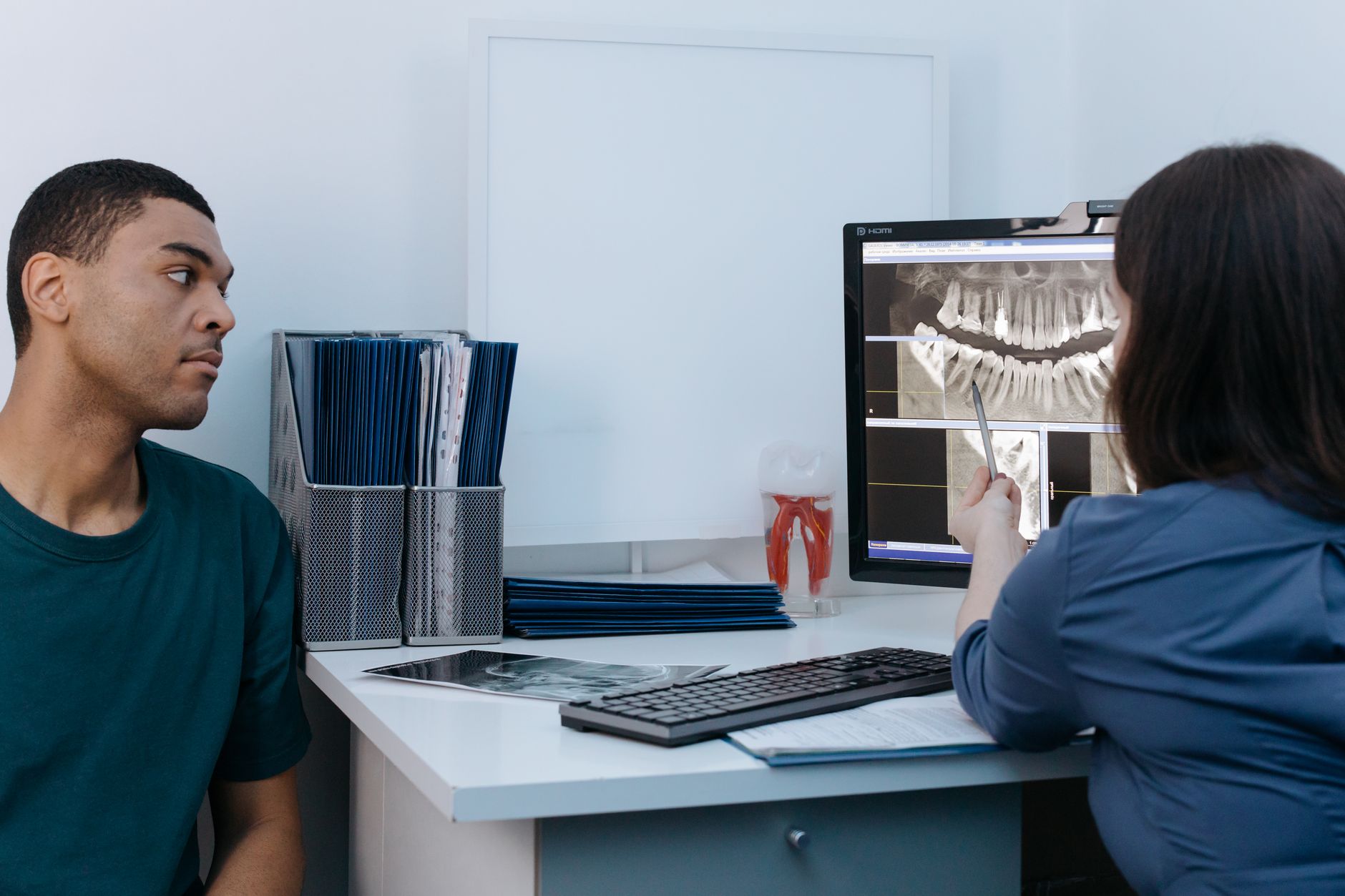
It usually starts as a dull ache behind your back molars. Or a dentist mentions during a routine X-ray that your wisdom teeth are "impacted" and "should come out". Either way, you didn't wake up planning to research oral surgery today. You want to know: do I actually need this, what does it cost, will it hurt, and how long will I be off work? Here is a straight breakdown from Dr. Kushal Sharma, who has performed wisdom tooth surgeries at Himalaya Dental House in Sector 17 Vashi for over a decade.
When Wisdom Teeth Actually Need to Come Out
Not every wisdom tooth needs removing. If yours have erupted fully, sit in line with your other teeth, and you can keep them clean, leave them alone. Surgery only enters the picture when one of these shows up on the X-ray or in real life: the tooth is impacted (stuck under gum or bone, doesn't have enough room to come through); recurring infection or swelling around the gum flap; a cavity in the wisdom tooth or in the molar next to it; cysts or visible damage to the jawbone on imaging; crowding of your other teeth caused by pressure from the wisdom tooth; or ongoing pain that doesn't settle. Routine removal of healthy, symptom-free wisdom teeth has gone out of fashion in modern dentistry. It's only worth doing when there's a real clinical reason.
Wisdom Tooth Extraction Cost in Vashi — Simple vs Surgical
Cost depends entirely on whether your case is a simple extraction or a surgical one. A simple extraction (tooth fully erupted, comes out with forceps in a few minutes) averages around ₹3,500. Surgical extraction (partial impaction, small incision in the gum) averages around ₹10,000. Complex impaction — horizontal teeth, bone removal, sectioning the tooth into pieces to remove it — averages around ₹14,000 per tooth. All four wisdom teeth in a single sitting average around ₹27,500, depending on how impacted each one is. If your case is complex, a CBCT scan (a 3D X-ray) is usually needed for planning — that adds around ₹2,250. None of these numbers are your final quote. At our Sector 17 Vashi clinic, Dr. Kushal Sharma examines your X-rays first and then quotes a fixed price for your specific case — surgery, scans, anaesthesia, post-op medication, everything in one number. No drift between the estimate and what you actually pay.
Impacted Wisdom Tooth in Navi Mumbai — Why It Matters
"Impacted" just means the tooth doesn't have room to come through fully. Some sit at an angle pushing into the molar next to them. Some come through partially and leave a gum flap that traps food. Some never come through at all and stay trapped in the jawbone for life. Impaction matters because it's rarely stable — partial impactions almost always cause trouble eventually, either as recurring infection, decay in the neighbouring molar, or pressure that shifts your other teeth out of line.
If your dentist flagged impaction during your last X-ray, you're not alone. A 2024 systematic review of 98 studies covering more than 183,000 patients found that roughly 37% of adults globally have at least one impacted wisdom tooth — and the rate climbs to about 43% in Asian populations. That makes it one of the most common reasons people meet an oral surgeon for the first time.
Wisdom Tooth Pain — When to Wait, When to Come In
Not every twinge of wisdom tooth pain means surgery. Mild discomfort while the tooth is breaking through (typically ages 17 to 25) is normal and usually settles in a few days with warm salt-water rinses and over-the-counter pain relief. Book a consultation if the pain lasts longer than a week, if the gum around the tooth is swollen or has pus, if you can't open your mouth fully, if the pain wakes you up at night, or if you taste something foul near the back tooth (a sign of infection). Two or more rounds of infection around the same wisdom tooth is the strongest signal that the tooth needs to come out. Repeated infections quietly damage the jawbone and the molar next to it.
If you want the full surgical protocol — anaesthesia options, the step-by-step of an impacted extraction, and the recovery support we provide — the wisdom tooth removal service page covers that in detail. This post stays focused on the decision: when, how much, and what recovery looks like.
One reassurance worth saying out loud — modern dental surgery isn't what older relatives' horror stories make it sound like. Between local anaesthesia, sectioning techniques that let us lift teeth out in pieces instead of yanking them whole, and proper post-op care, the experience is closer to a tense dentist visit than the operating-theatre image most people carry around.
What Recovery Actually Looks Like
Recovery from a simple extraction takes 2 to 3 days for the gum to close over. Surgical extraction takes 5 to 7 days for the soft tissue to heal. Full bone healing underneath takes 4 to 6 weeks, but you won't feel that — by the time you're back at work you're functionally back to normal. Expect some swelling for the first 48 hours (worst on day two, not day one — counter-intuitive but normal), mild bruising along the jaw in some patients, a soft-food diet for 3 days, and one or two follow-up checks. Most patients take 2 days off work after a simple extraction and 3 to 4 days after surgical removal of all four. If your job is desk-based and you don't mind looking a bit puffy, you can be back at a screen within 24 hours.
Frequently Asked Questions
Q: How long does it take to recover from wisdom tooth removal?
A: Simple extraction recovery takes 2 to 3 days for the gum to close over. Surgical extraction of impacted teeth takes 5 to 7 days. Full bone healing underneath takes 4 to 6 weeks, but you'll be eating normally and back at work well before that. Most patients take 2 to 4 days off depending on case complexity.
Q: Is wisdom tooth removal painful?
A: The procedure itself is done under local anaesthesia, so you feel pressure but not sharp pain. Mild to moderate soreness for 2 to 4 days afterwards is normal and managed with standard painkillers. At our Vashi clinic we walk you through every step and pause if anything feels sharp. Most patients say the fear of the procedure was worse than the procedure itself.
Q: What is dry socket and how do I avoid it?
A: Dry socket happens when the blood clot in the extraction site dislodges before the wound has healed, exposing the bone underneath. It's painful but not dangerous. To avoid it: don't smoke, don't drink through a straw, don't rinse aggressively, and don't spit forcefully for the first 48 hours. About 2 to 5% of extractions develop dry socket — slightly higher for lower wisdom teeth and smokers.
Q: Can I eat after wisdom tooth removal?
A: Stick to cool soft foods for the first 24 hours — yoghurt, dal, smoothies, soft idli, ice cream. Avoid anything hot, crunchy, or spicy for 3 days. Don't drink through a straw for 48 hours (the suction can dislodge the clot). Most patients are back to a normal diet by day five.
Q: Can all four wisdom teeth be removed at once in Vashi?
A: Yes, and it's often the smartest option if all four need removing — you're under anaesthesia once, off work once, and you recover from everything in parallel. At our Sector 17 Vashi clinic we assess each case during the consultation. For some patients we recommend splitting into two visits if the cases differ a lot in complexity.
Wondering If Your Wisdom Tooth Needs to Come Out?
Book a consultation at Himalaya Dental House in Sector 17 Vashi. Dr. Kushal Sharma will review your X-rays (or take one if you don't have a recent one), walk you through whether your tooth actually needs surgery or can be left alone, and give you a fixed quote before any work begins. Shop No. 42, JK Chambers Building, Plot No. 76, Sector 17, Vashi, Navi Mumbai 400703. Call us anytime — we'll book your appointment for whenever suits you best.